My Views on Jewelry
I’ve been working in jewelry since my early 20s when I founded Amarilo Jewelry. I believed what my team and I built was both beautiful and impactful. My goal was always to make jewelry feel attainable and accessible to the modern woman.
Something unique about the jewelry industry is how incredibly fragmented it is, and I actually think that’s one of the most beautiful things about it. There is space for independent designers like myself to connect with people around the world and share the beauty we see through our own lens.
I took the last few years to reset my personal life, which meant stepping away from Amarilo Jewelry for a while. At the time, the business was booming, but my role had changed. My days became more about efficiency, fundraising, scaling, hiring, HR, and managing a growing business. The bigger Amarilo became, the less time I actually spent designing and making jewelry. It was honestly amazing to experience the massive growth.
Taking a break gave me a chance to reset. I refocused my life on myself, my finances, and my relationships. It gave me the reset for other needs that were lacking in my life and I don’t regret taking the space when I needed it. However, now I am back not surprising, I am now making things with my hands again.
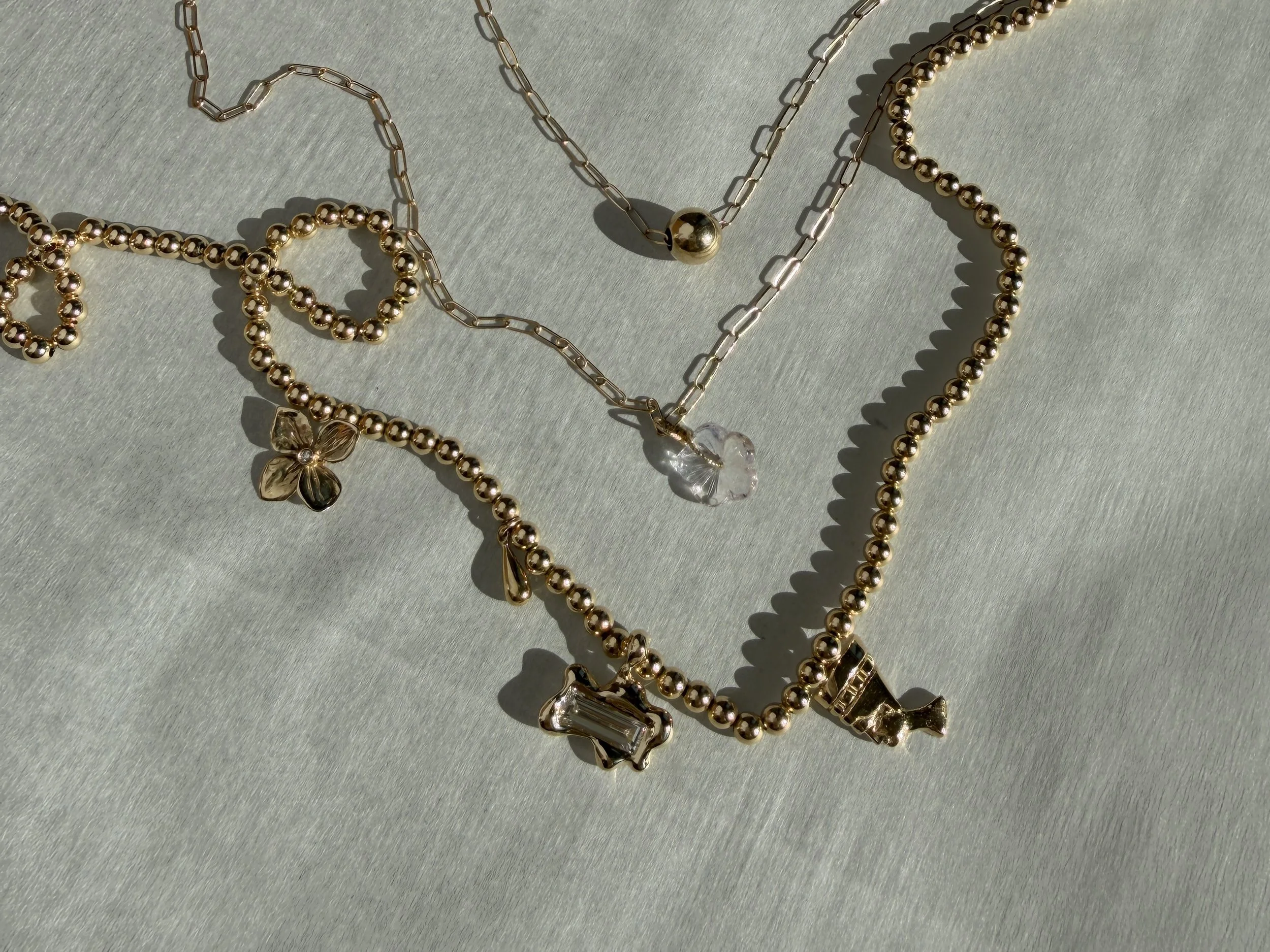
Some wax casted pieces
Lately, I’ve been creating again through metalsmithing and lost-wax carving. In a time when everything seems like it needs to be formulated, automated, optimized for an algorithm, designed for a screen, or made faster and more efficient, there is something incredibly therapeutic about making jewelry from scratch.
There is still such a human element to jewelry. So many hands can touch a single piece along the way, from carving and casting to soldering, setting, polishing, and finishing. Through relationships, and connections, jewelry can still be very “old school” in a digital age.
Lost wax captures every human detail. It can exaggerate imperfections once cast into metal, but those imperfections can be worked through, filed, refined, polished, and finished until the piece becomes what I imagined. And sometimes, the imperfections actually make the piece more beautiful.
Maybe that’s what I love most about returning to jewelry this way. I’m not trying to make everything perfect, scalable, or optimized anymore. I want to make things that feel human.
I want to be a human designing jewelry.
At the same time, the jewelry world I’m returning to looks very different from the one I stepped away from.
The cost and value of precious metals have changed dramatically. Gold that was around $1,900 an ounce several years ago is now trading at substantially higher levels. Silver has experienced its own dramatic rise. And diamonds have changed too. What was once a market dominated almost entirely by mined stones now has a clear distinction between mined and lab-grown diamonds, with lab-grown stones making diamonds accessible at entirely different price points.
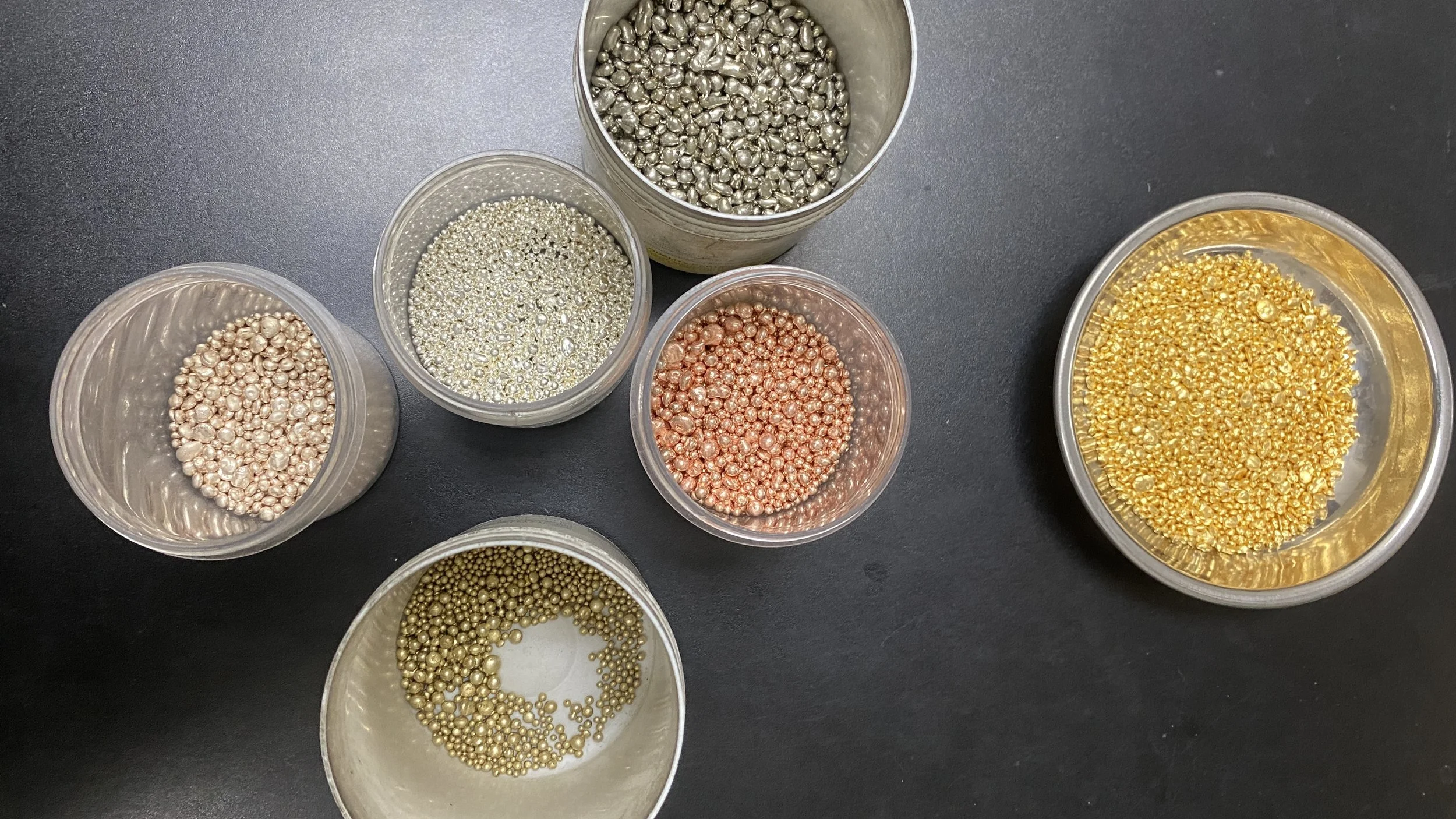
All of this changes the way I think about design.
It doesn't mean I want to stop making jewelry attainable. If anything, it means I need to be more thoughtful and precise about how I use materials and what I'm asking someone to pay for.
Amarilo has traditionally worked primarily in 10k and 14k solid gold, and we’ll continue to do that, while also introducing more pieces in 18k. I want to design intentionally across these materials and be transparent about what you're buying, why I chose it, and how to care for it.
Because jewelry isn't just a commodity; and to me, it never was.
Amarilo has always wanted to be there for your first real piece of jewelry: the piece that teaches you how to care for solid gold, how to wear it, and eventually how to keep it for years.
Whether it’s 10k, 14k, or 18k gold, you're wearing a precious material with inherent value beyond the design itself. But you're also wearing the work of the people who made it and, hopefully, something that carries meaning for you.
As precious metals become more valuable, that feels even more important to me.
I want to make jewelry worth caring for; not because everything has to be precious or perfect, but because there is value in the material, value in the hands that made it, and value in what the piece comes to mean to you.